The moment usually arrives without much warning. A coach counts heads at the first practice and realizes three returners have outgrown last year’s shells, two new athletes never received anything, and the shell colors have faded enough that the squad looks like four different teams standing together. That is the trigger. Not a planning meeting, not a budget cycle. A problem that is already visible.
Knowing how to respond to that moment, and what to do first, separates programs that recover quickly from ones that scramble through the first month of competition in mismatched gear.
The Situations That Force the Decision
Uniform problems tend to cluster around a few predictable events. Roster growth is the most common. A program that ran 18 athletes last year and now has 26 cannot patch that gap with stock inventory. Sublimated uniforms, in particular, are built to an order, not pulled from a shelf. You cannot simply reorder “a few more” after the fact without risking dye lot differences that show up under gym lighting.
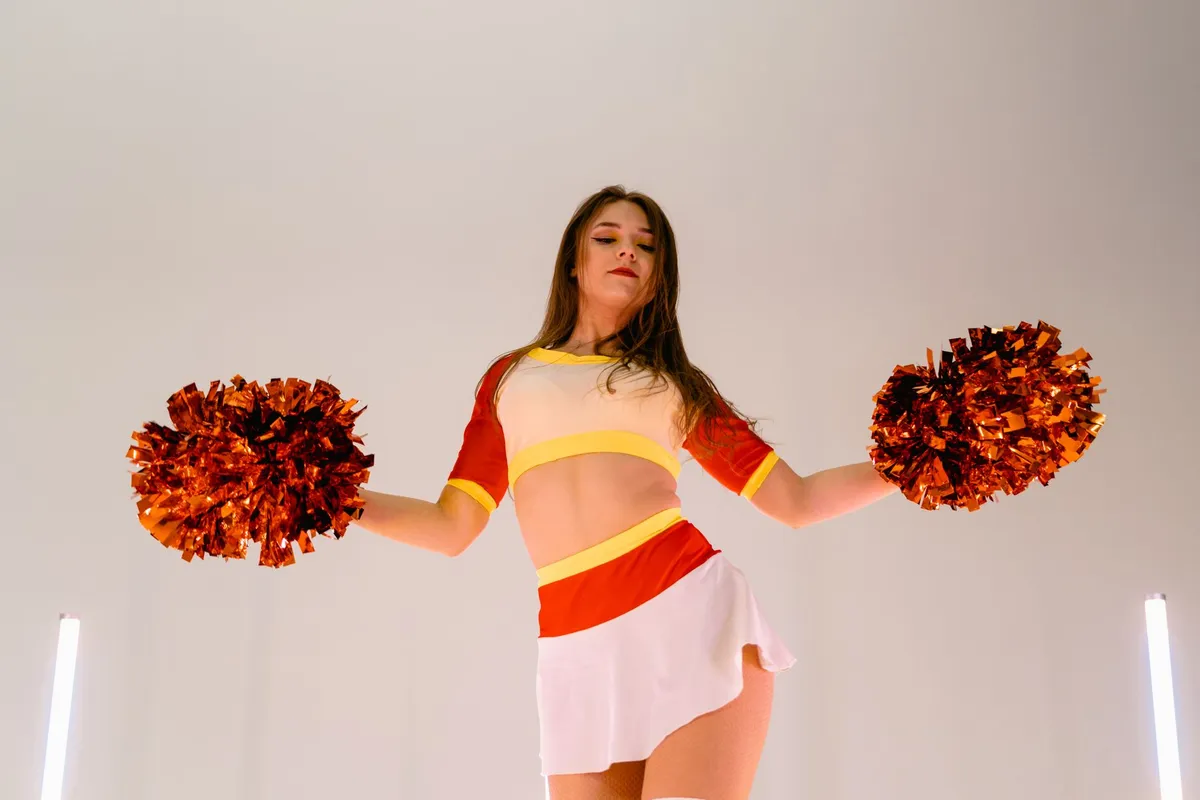
League rule changes are another hard trigger. Cheerleading associations at the scholastic and all-star levels update allowable uniform specifications with some regularity, covering things like midriff coverage, liner requirements, and the length of skirts relative to body position. A uniform that passed inspection two years ago may not pass today. Coaches often do not discover this until a competition official flags it.
Then there is the accessory gap. Squads frequently invest in the shell and skirt and treat everything else as optional. Briefs, spankies, warm-up jackets, bow sizing, practice wear, bag kits. These items get pieced together from different vendors over different years, and the result is a squad that looks unified from thirty feet away and mismatched up close. Slugger Athletics sees this constantly with programs that come in for a full audit of what they actually have versus what the squad needs to look complete on the floor.
What to Do Before You Contact Anyone
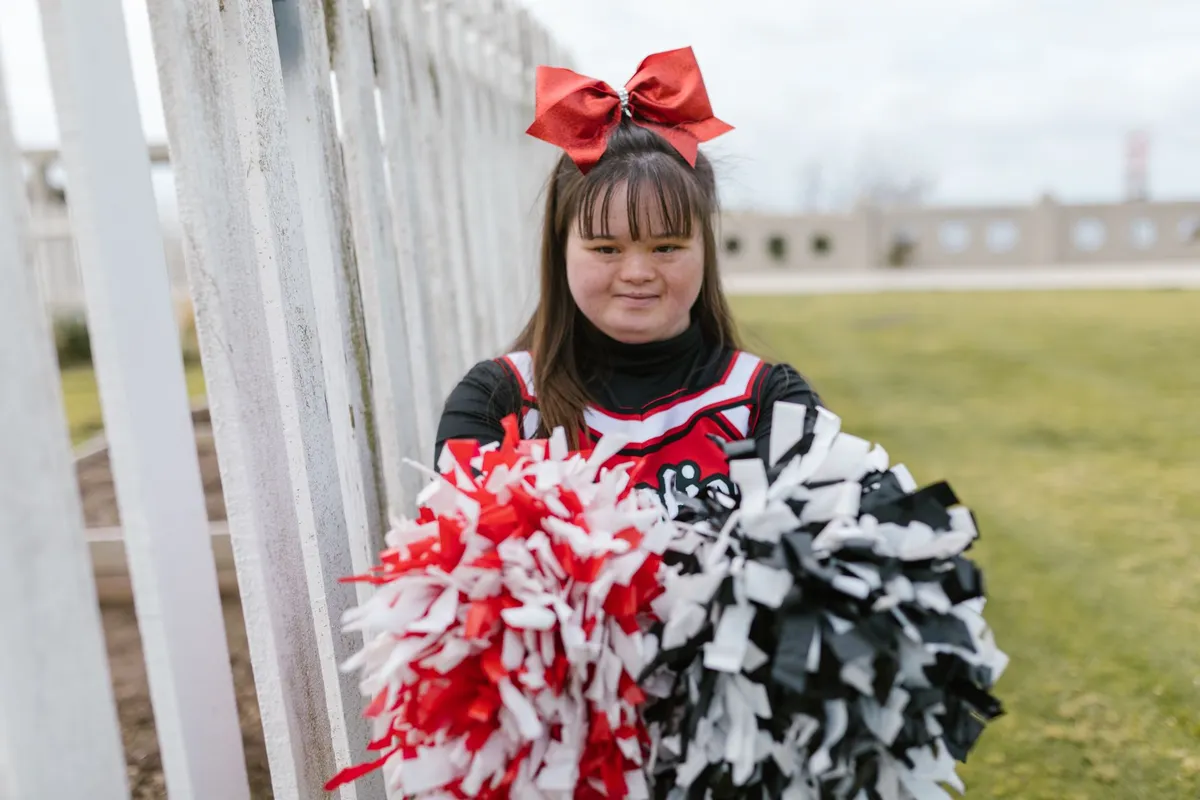
Before reaching out to a uniform supplier, do three things. First, get a confirmed headcount with sizes. Not an estimate. Actual measurements, taken with a soft tape, for chest, waist, hip, and inseam. Sublimated garments are cut to spec, and a size chart guess that turns out to be wrong costs you a reorder and weeks of delay.
Second, locate your league’s current uniform rulebook. Download the most recent version, not last year’s PDF that lives in someone’s email. Flag every specification that applies to your level, including any rules about metallic thread, rhinestone placement, or compression requirements. If you are building a full cheerleading package, the guide on custom cheerleading uniforms covering pieces, fabric, fit, and rules is worth reading before your first conversation with a supplier.
Third, set a hard in-hands date. Work backward from your first competition or game, not from when you hope to place the order. Standard production on fully custom sublimated uniforms typically runs four to six weeks after art approval. Rush options exist but cost more and compress your window for catching errors.
Reading the Signals That Go Beyond the Uniform Itself
Sometimes the problem is not obviously a uniform problem. A squad that looks sloppy in photos even though everyone is technically dressed may be dealing with inconsistent fit, not inconsistent design. Sublimated fabric that is cut too loosely moves differently during stunts than a properly fitted garment. That affects both appearance and, in some cases, safety, since excess fabric around the midsection can interfere with a base’s grip.
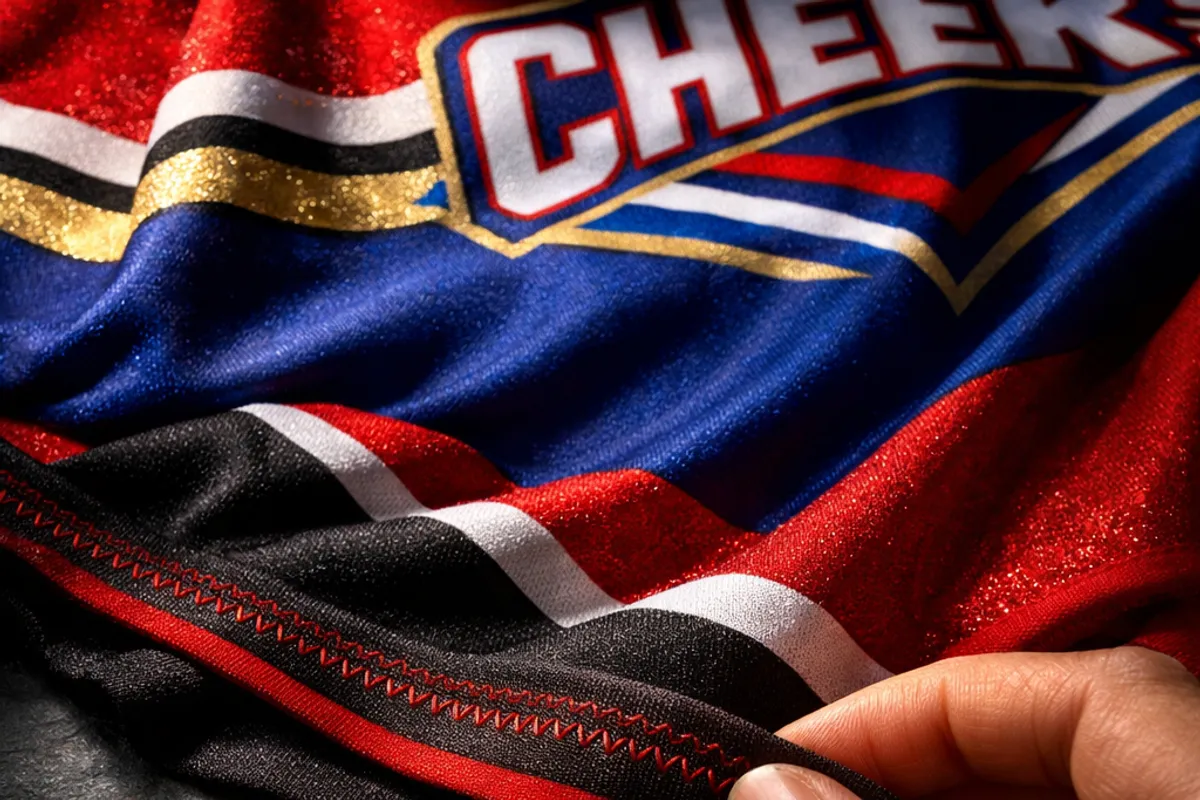
Color inconsistency across garment types is another signal. The red on a shell that was ordered from one vendor and the red on the warm-up jacket from another vendor are almost certainly different reds. Pantone matching across your entire package, ordered through a single supplier, solves this. Slugger Athletics recommends that programs treat the full package as one order rather than spreading it across multiple vendors to save a few dollars per piece. The visual cost of mismatched color almost always outweighs the price savings.
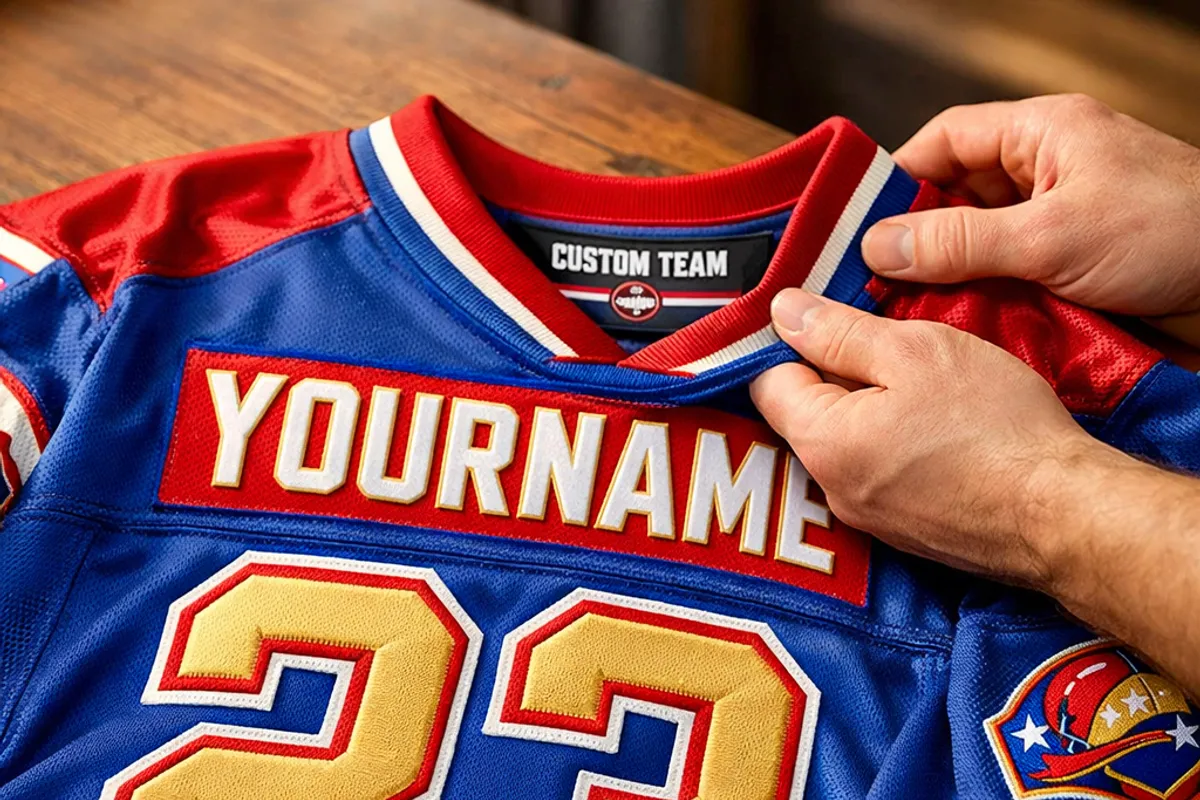
Worn elastic, cracked screen prints, or delaminating numbers on football jerseys are worth noting here too. If you are also outfitting a football program, the same logic applies. A custom football uniform order benefits from the same consolidated approach: one art file, one color standard, one production run.
Timing, Minimums, and the Cost of Waiting
Most custom uniform suppliers work with minimums. Six to twelve pieces per style is common. If your program is small, that minimum may shape which options are available to you, so knowing your headcount before you shop matters more than most coaches realize.
Waiting too long is genuinely expensive. Rush fees on sublimation orders can add 15 to 25 percent to the base cost. More damaging is the compressed review window. A standard timeline gives you a chance to see a digital proof, request corrections, and still receive the order before your first event. A rushed timeline often means accepting the first proof without revision time.
Slugger Athletics advises clients to treat eight weeks before the first event as the last comfortable entry point for a full custom order, and twelve weeks as the target for programs ordering accessories alongside the main uniform package.
For teams in Ocala, FL and the surrounding region, Slugger Athletics is a working resource for custom team uniforms, cheerleading packages, and the full range of accessories that complete a squad’s look. They can be reached at 603 E. Fort King St, Ocala, FL 34471, (352) 644-7927.
Frequently Asked Questions
When is the best time to order custom uniforms?
The best time to order custom uniforms is at least eight weeks before your first event. This allows enough time for production, proof review, and any necessary corrections. Waiting too long can lead to rush fees and a lack of time for adjustments.
What should I do before contacting a uniform supplier?
Before contacting a supplier, confirm your headcount with actual measurements for sizes, locate your league’s current uniform rulebook, and set a hard in-hands date. Having accurate measurements and understanding the rules will help avoid costly mistakes and delays in your order.
What are common mistakes to avoid when ordering uniforms?
A common mistake is not having a confirmed headcount or accurate sizes, which can result in wrong fittings and delays. Another mistake is spreading orders across multiple vendors, which can lead to mismatched colors and inconsistent designs.
How can I ensure uniform consistency across all team gear?
To ensure consistency, treat all gear as one order from a single supplier to maintain color matching and design cohesion. Using Pantone matching across your entire package will help avoid color discrepancies that can arise from ordering from different vendors.
Get Directions to Slugger Athletics
🎧 Listen to this as a podcast
Also on Apple Podcasts, Spotify, and Amazon Music.