Cheer uniform production has changed more in the past decade than in the previous three combined. The shift is not cosmetic. It runs through the materials, the ordering process, the minimum quantities programs can request, and the level of design control teams actually have. Coaches and booster clubs who ordered uniforms ten years ago and are now placing a new order are often surprised by what is possible and, occasionally, by what has gotten more complicated.
Sublimation Changed What a Design Can Actually Do
Screen printing dominated cheer apparel for a long time. It worked, but it had real limits. Colors had to be separated into discrete layers, gradients were difficult or impossible, and every added color meant added cost. Sublimation printing removed most of those constraints at once.
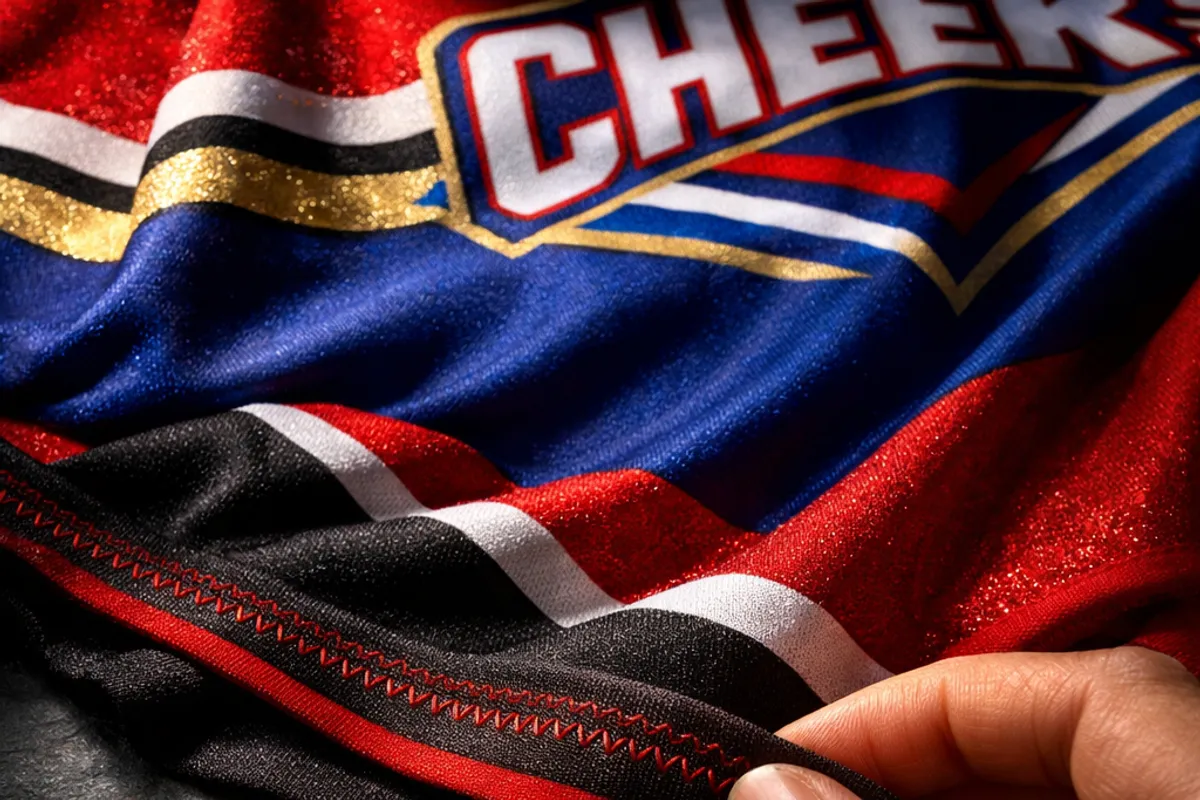
With dye sublimation, the ink is pressed into the fabric at the fiber level rather than sitting on top of it. That means no cracking, no peeling, and no fading after repeated washing. More practically, it means a team can run a full photographic-quality gradient across the bodice of a shell without paying per color. Slugger Athletics sees this regularly: programs that previously chose simple two-color designs because of budget concerns now come in with far more ambitious artwork, and the cost difference is smaller than most expect.
The tradeoff is real, though. Sublimation only works on polyester or high-poly blends. A garment that is mostly cotton will not hold the dye correctly, and the colors will look washed out from the first wash. Programs need to understand that the fabric choice and the printing method are linked decisions, not separate ones.
For a closer look at how fabric selection connects to the overall uniform build, the guide on custom cheerleading uniforms, pieces, fabric, fit and the rules to check covers the specifics in useful detail.
Fit Has Gotten More Specific, and That Is a Good Thing
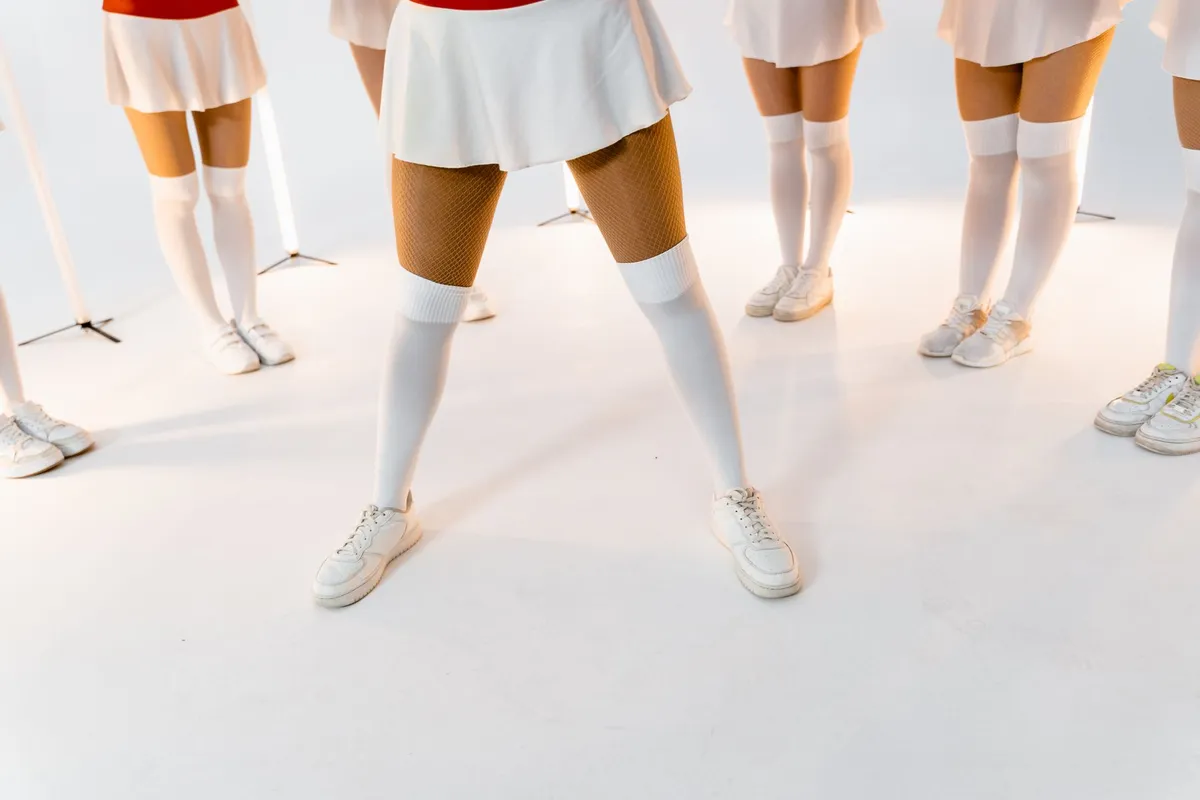
The old model was simple: small, medium, large, extra large. Programs ordered a range and hoped for the best. Athletes wore whatever was closest. That approach is largely gone from quality uniform suppliers, and the industry is better for it.
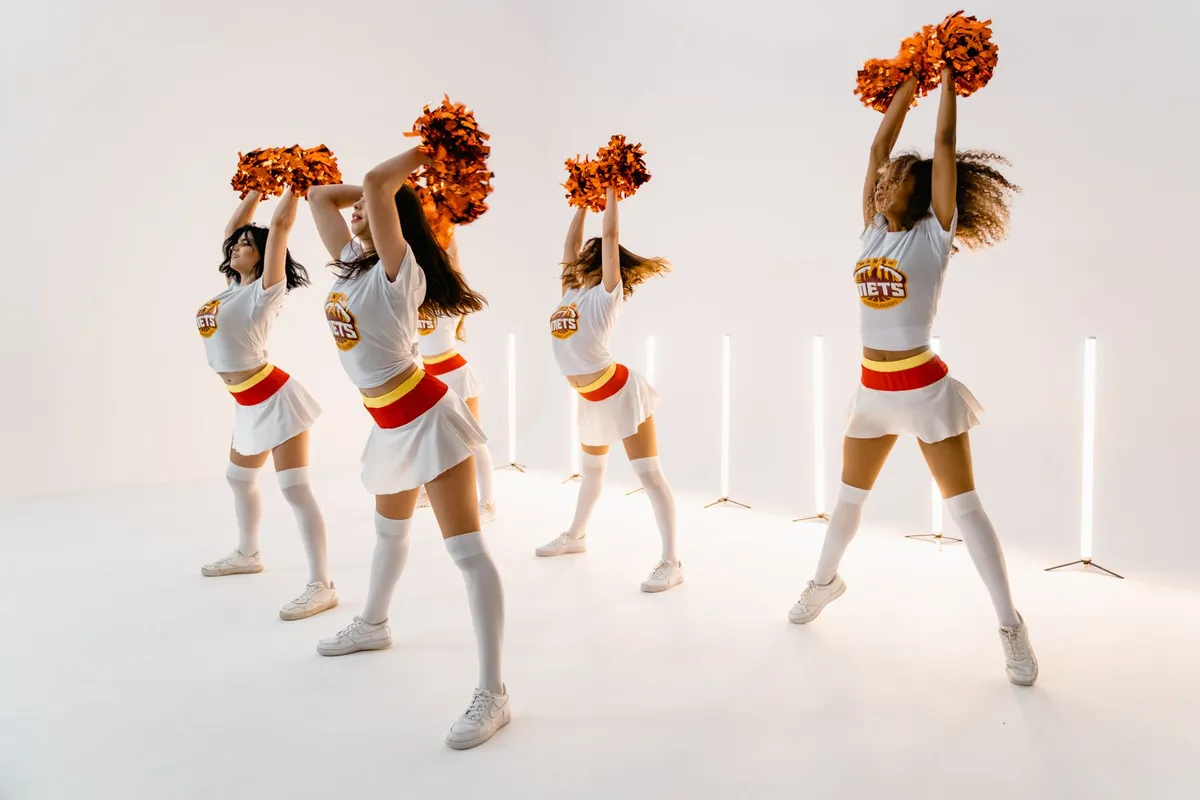
Modern cheer uniforms are routinely cut to individual measurements. A team of twenty athletes might submit twenty different size specifications, each one built to that athlete’s actual chest, waist, and hip measurements. The turnaround time is longer than pulling stock sizes off a shelf, but the fit is dramatically better, and the uniform performs correctly during stunts and tumbling rather than shifting or bunching.
Stretch fabrics have improved significantly as well. Four-way stretch materials that maintain their shape and color through a full season of practice and competition are now standard at most mid-range price points. Five years ago, that quality was mostly limited to the premium tier.
Minimums Have Dropped, Which Opens the Door for Smaller Programs
One of the most meaningful changes for small school programs and youth leagues is the drop in minimum order quantities. Historically, many manufacturers required orders of 24 or more units before they would run a custom design. That locked out small squads entirely.
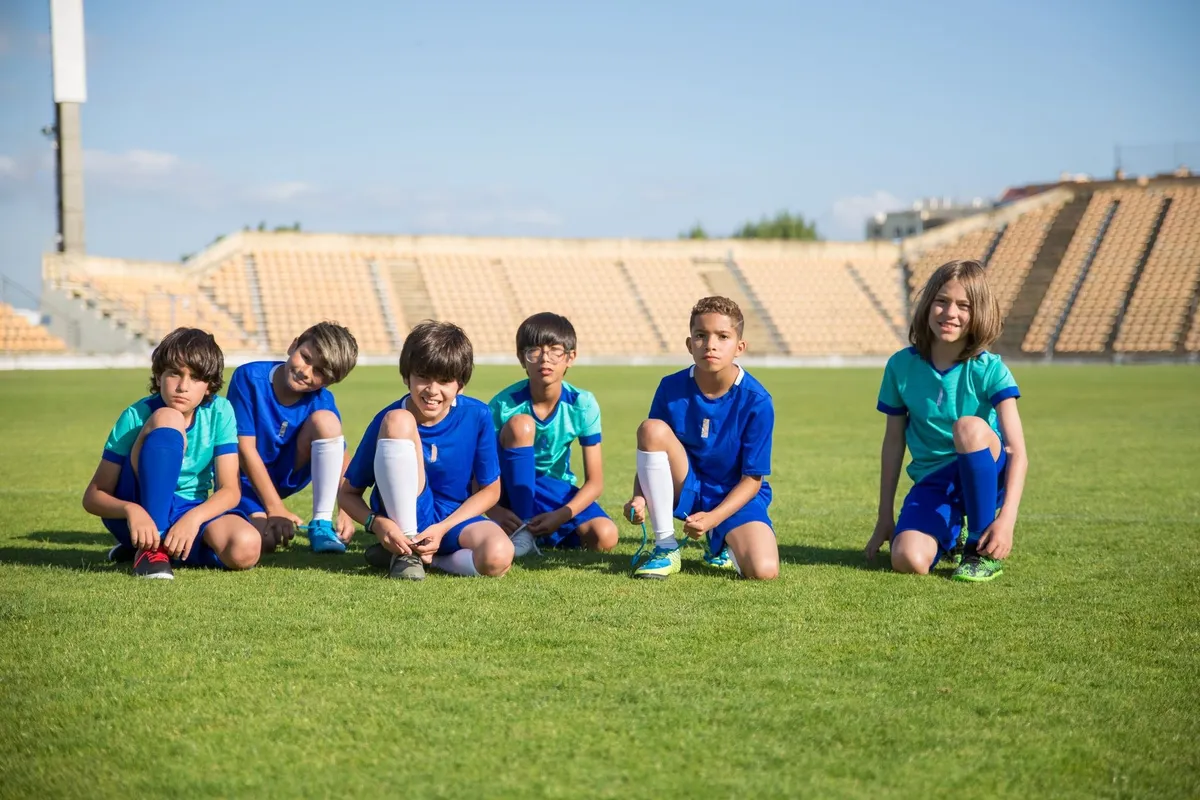
Production technology, particularly digital cutting systems and on-demand sublimation printing, has made smaller runs economically viable. Some suppliers now work with orders as small as six pieces. That is a real shift. A middle school squad with eight athletes can now access the same level of customization that a large high school program gets, without paying penalty pricing for the small quantity.
Slugger Athletics has worked with programs of all sizes across the country and in Ocala, FL, and the observation there is consistent: smaller programs often have the sharpest eye for design detail precisely because every uniform matters more when the team is small. They are not ordering 40 units where a few imperfect ones can be quietly redistributed.
The Design Process Itself Has Changed
A decade ago, ordering a custom uniform meant describing what you wanted to a sales rep, waiting for a mailed or faxed mockup, making corrections by phone, and hoping the final product matched what you had imagined. The back-and-forth was slow and the communication gap between client and production was wide.
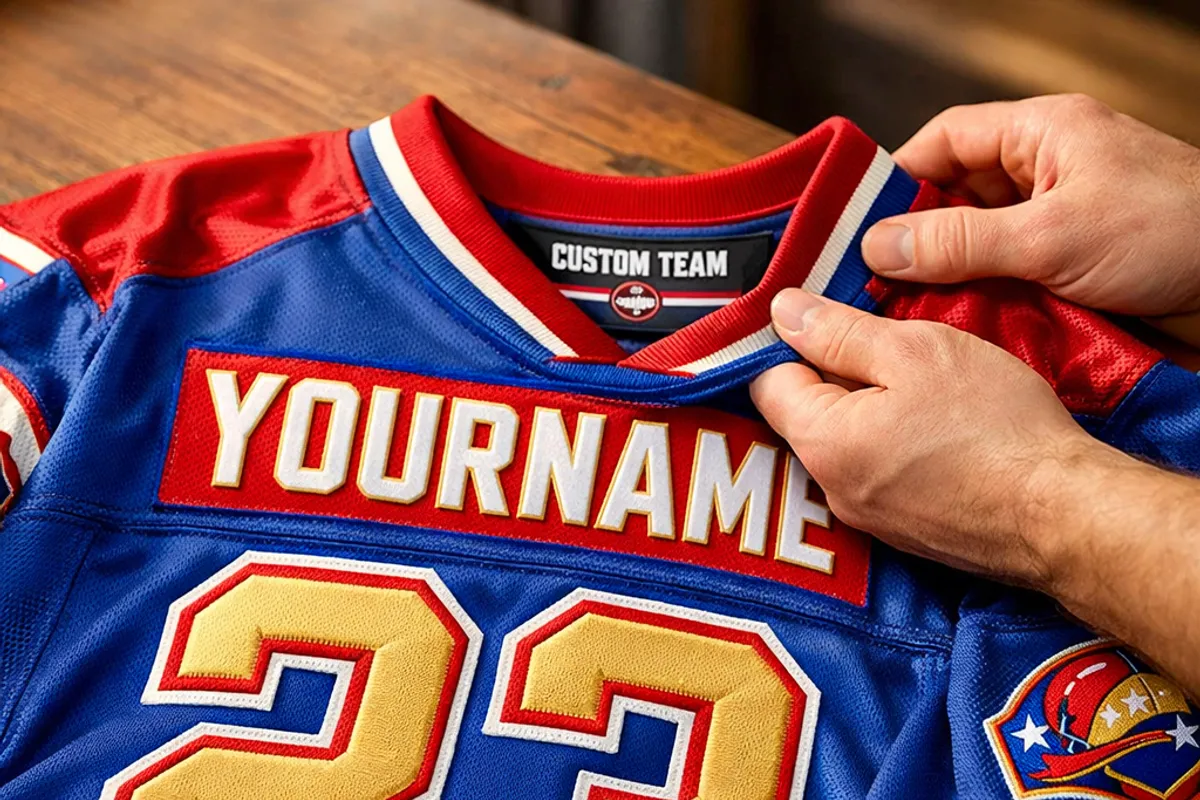
Digital design tools have compressed that process. Most serious uniform suppliers now provide online design platforms or send detailed digital proofs that show the actual garment shape, color placement, and typography before anything is cut. Revisions happen in days rather than weeks. Athletes and parents can see the design before the order is locked.
That said, the quality of the proof matters. A flat 2D mockup on a generic template is not the same as a proof rendered on the actual garment pattern. Slugger Athletics advises clients in Ocala, FL and beyond to ask specifically whether the proof reflects the actual cut and seam placement of the uniform they are ordering, not a generic stand-in. Small differences in how a design wraps around a side seam can look significant on the finished garment.
The full range of what goes into a well-built cheer uniform order, from design through delivery, is worth reviewing on the team uniform articles page for anyone making purchasing decisions for the first time or after a long gap.
Slugger Athletics, located at 603 E. Fort King St, Ocala, FL 34471, (352) 644-7927, has been a trusted resource for teams navigating these changes in the custom uniform space. If you have questions about materials, minimums, or how the design process works, they are a practical place to start.
Frequently Asked Questions
How has the design process changed for ordering cheer uniforms?
The design process has become much faster and more efficient. Instead of a slow back-and-forth with sales reps, most suppliers now offer online design platforms or detailed digital proofs that show the actual garment shape and color placement, allowing for quick revisions and clearer communication.
What impact does sublimation printing have on uniform design?
Sublimation printing allows for more complex and vibrant designs without the cost penalties associated with multiple colors. This technology enables teams to create photographic-quality gradients and intricate artwork, as the ink is embedded in the fabric rather than sitting on top.
What should smaller programs know about ordering cheer uniforms?
Smaller programs can now order as few as six pieces, making customization accessible without incurring high minimum order penalties. This change allows even middle school squads to achieve the same design quality as larger teams, which is particularly valuable when every uniform matters more in smaller groups.
What should teams consider when choosing fabric for their uniforms?
Teams need to understand the connection between fabric choice and printing method, as sublimation only works on polyester or high-poly blends. Choosing a fabric that doesn’t hold the dye correctly, such as cotton, can result in washed-out colors after washing, so careful selection is crucial for maintaining vibrant designs.
Get Directions to Slugger Athletics
🎧 Listen to this as a podcast
Also on Apple Podcasts, Spotify, and Amazon Music.