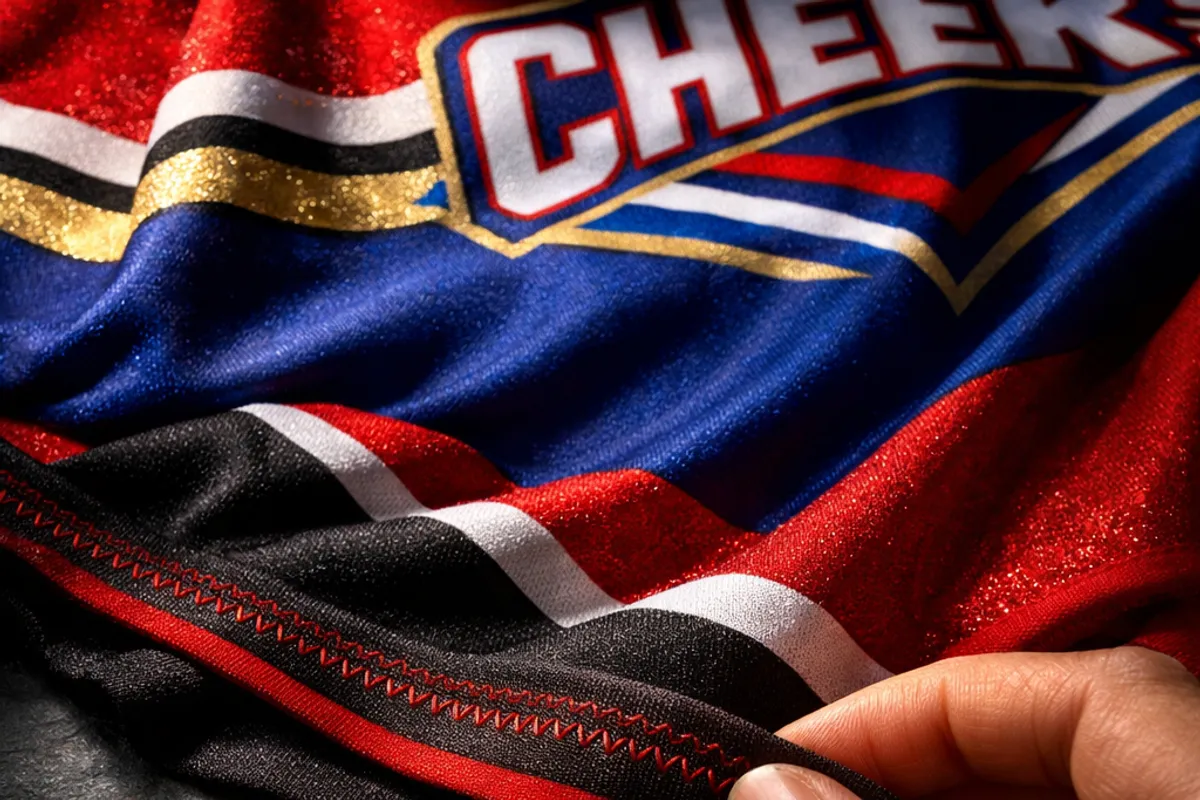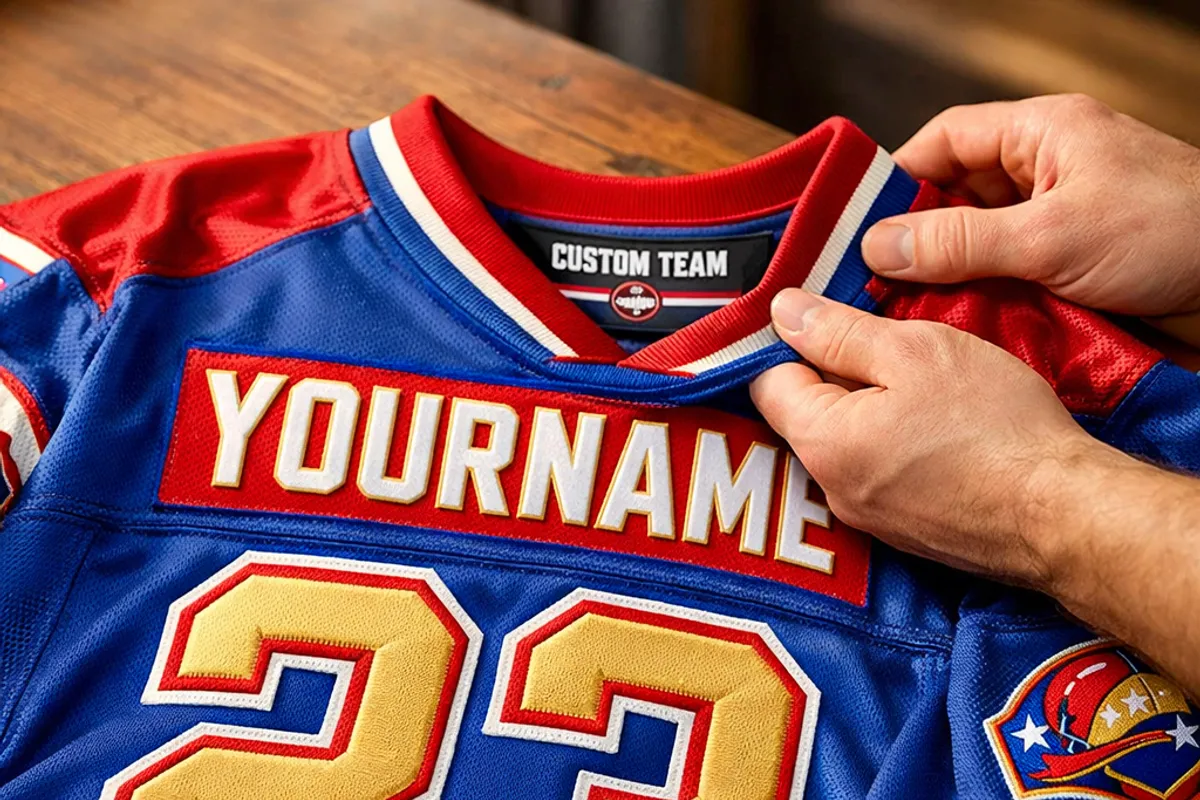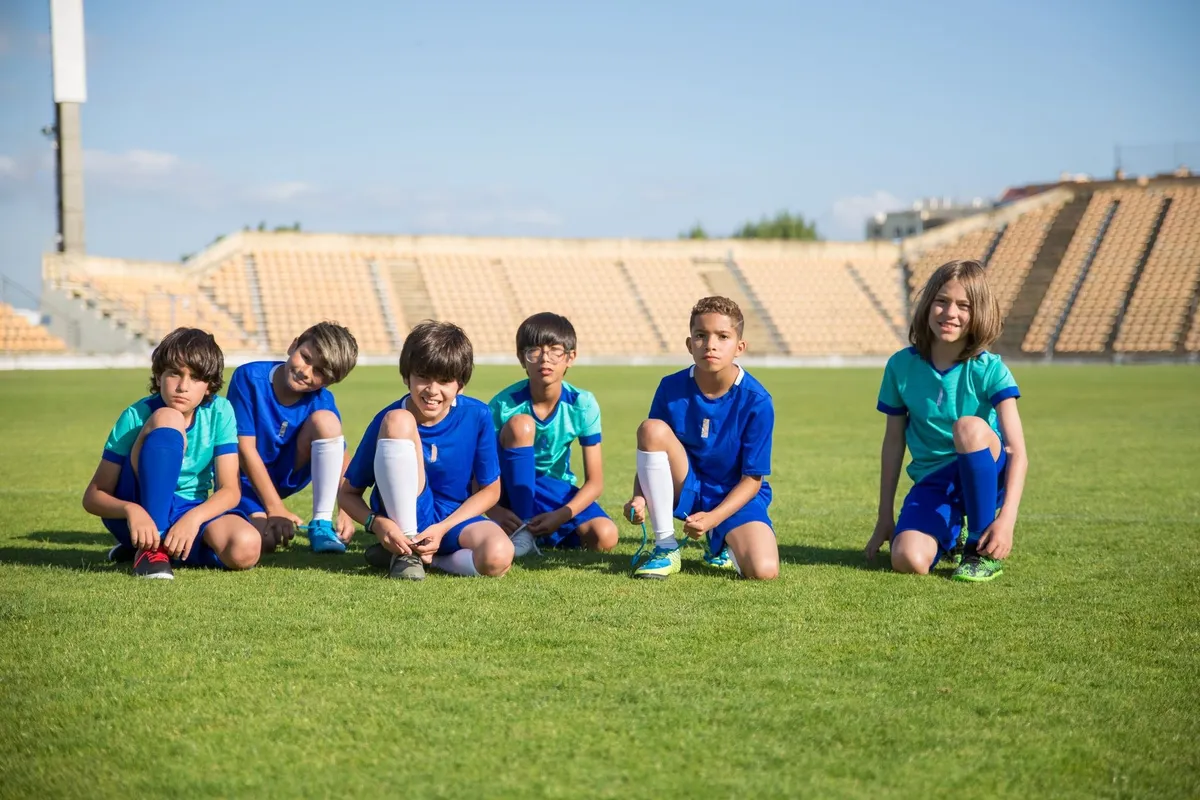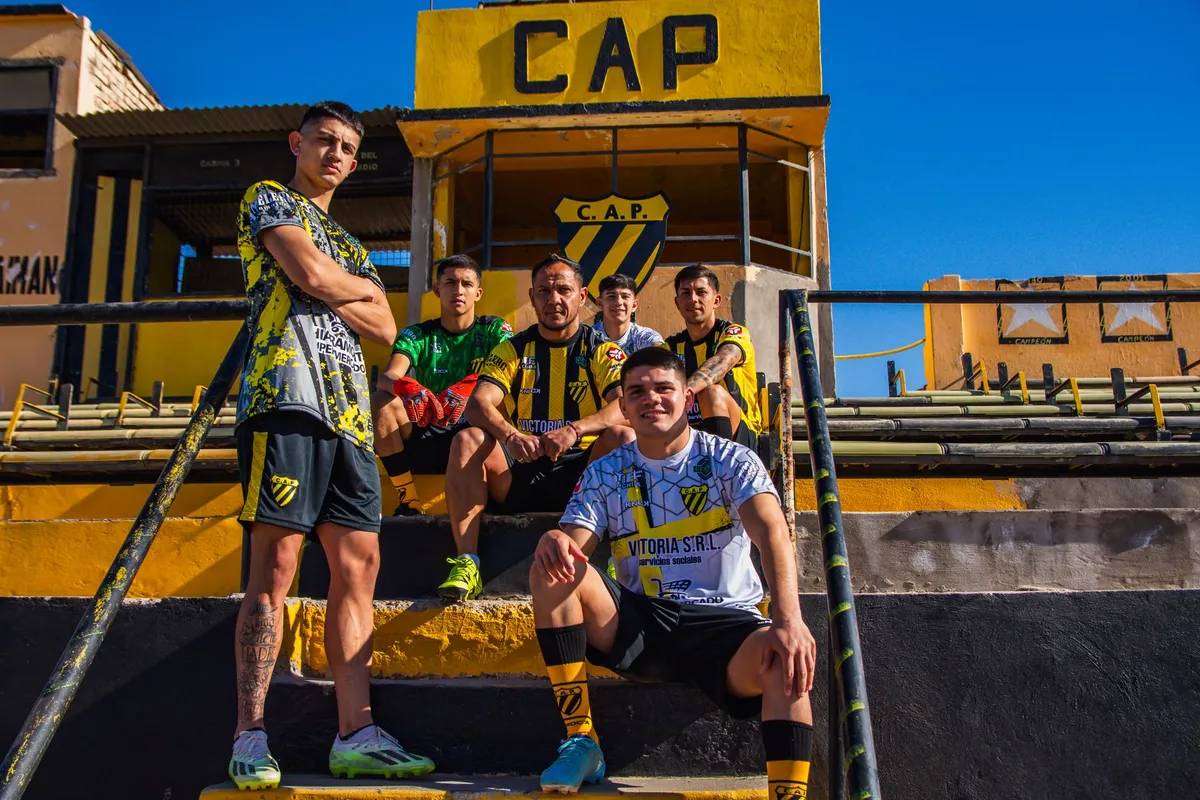
The single most expensive mistake in a team uniform order is submitting sizes before every player has been measured. It sounds obvious. It happens constantly. Coaches collect sizes by text, players guess, parents round up “just to be safe,” and the result is a roster where half the jerseys swim and the other half can’t be pulled over shoulder pads. Custom garments are not returnable or exchanged like retail stock. What gets made to spec gets shipped, and alterations on sublimated polyester are either impossible or cost more than the original piece.
Why Sizing Errors Are So Hard to Catch Before It’s Too Late
Most teams don’t have a centralized way to collect accurate measurements. A coach sends out a group chat, gets back 22 responses in three days, and manually transcribes them into an email. Numbers get transposed. One player submits a chest measurement; another submits a shirt size from a brand that runs small. Nobody flags the inconsistency until the order is already in production.
Slugger Athletics sees this pattern repeatedly, and the consistent advice is to standardize how you collect data before you collect a single number. That means giving every player or parent the same measurement guide, the same reference chart, and a deadline that allows time for corrections. A shared spreadsheet with locked column headers works better than a text thread. Every row should include chest, waist, hip, and height, not just a generic “size.”
For youth football specifically, the pad situation adds another layer. A jersey that fits a player in a t-shirt may be unwearable over a full set of shoulder pads. The youth football uniform sizing guide at Slugger Athletics addresses exactly this, with pad clearance built into the measurement instructions. Skipping that step is how a team ends up with 14 jerseys that technically fit the player but can’t be worn in a game.
The Ordering Tool Problem Nobody Talks About
A team order tool is only as accurate as the information fed into it. The interface itself won’t catch a chest measurement of 38 inches entered as 83. It won’t flag a player listed as a youth large who is clearly an adult medium. The tool organizes and submits data. It does not validate it.
This is why a human review step matters. Before submitting a finalized order, someone on the team side needs to sort the size list by measurement, not by player name, and look for outliers. A player listed at 5’10” with a 28-inch chest is almost certainly a data entry error. Catching that before submission costs nothing. Catching it after production costs the price of a replacement uniform.
Slugger Athletics recommends that teams designate one person, not the coach, as the uniform coordinator. That person owns the spreadsheet, chases down missing measurements, and does the outlier check. Coaches have enough to manage. Splitting this responsibility prevents the last-minute scramble that leads to rushed submissions and errors.
Fabric and Cut Choices That Affect Fit
Not all cuts perform the same way on different body types. A compression-style jersey that looks clean on a wide receiver will be uncomfortable and restrictive on a lineman with a 52-inch chest. A loose mesh cut that works for a lineman will look sloppy on a skill player who wants a tailored silhouette.
Sublimated polyester, which is the standard for custom team uniforms, has minimal stretch in most base fabrics. Some manufacturers offer four-way stretch sublimation, which costs more but accommodates a wider range of body types without sacrificing print quality. Worth asking about. The difference between a standard sublimation fabric and a stretch version can mean the difference between a jersey that fits at the chest but pulls at the shoulders versus one that moves naturally.
For teams that want to dig deeper into cut and fabric options before placing an order, the breakdown of sublimated custom football jerseys covers cuts, available sizes, and published pricing in plain terms. That kind of reference point helps teams make informed decisions rather than defaulting to whatever the first quote includes.
Timeline Mistakes That Create Fitting Problems
Rushing an order compresses every step. When a team submits sizes two weeks before they need uniforms, there is no room to catch errors, no time for a sample review, and no margin if a shipment is delayed. The fitting problem doesn’t start at the fitting. It starts at the calendar.
Six to eight weeks is a reasonable production window for a fully custom sublimated uniform. That window assumes the artwork is approved and the size list is complete on day one. If artwork revisions eat two weeks, the production window shrinks. If the size list is incomplete and needs a second submission, it shrinks further.
Build the timeline backward from your first game date, not forward from when you start shopping. Account for shipping time, a buffer for corrections, and the reality that artwork proofs almost always require at least one revision cycle. Teams that plan this way rarely have fitting emergencies. Teams that don’t are the ones calling for rush orders at a significant premium.
Slugger Athletics serves teams in Ocala, FL and beyond as a trusted resource for custom team uniformsfrom design through delivery. For questions about sizing, fabric options, or placing a team order, reach out directly at 603 E. Fort King St, Ocala, FL 34471, or call (352) 644-7927.
Frequently Asked Questions
How can I ensure accurate measurements for my team?
To ensure accurate measurements, provide every player or parent with the same measurement guide and reference chart. Use a shared spreadsheet to collect data, locking column headers to prevent errors, and include specific measurements like chest, waist, hip, and height rather than just sizes.
What should I do if I notice inconsistent measurements?
If you notice inconsistent measurements, address them before submitting your order. Sorting the size list by measurement, rather than by player name, can help identify outliers, such as a player with a height of 5’10” and a chest measurement of just 28 inches.
Why is it important to have a dedicated uniform coordinator?
A dedicated uniform coordinator can manage the measurement collection process, chase down missing data, and perform checks for data entry errors. This prevents last-minute scrambles and ensures that the order is accurate before it is submitted.
What timeline should I follow when ordering custom uniforms?
Build your timeline backward from your first game date, allowing six to eight weeks for production. Make sure the artwork is approved and the size list is complete on day one to avoid delays that could lead to fitting problems.
Get Directions to Slugger Athletics
🎧 Listen to this as a podcast
Also on Apple Podcasts, Spotify, and Amazon Music.