Most coaches and team managers assume the hardest part of ordering custom uniforms is picking colors. It isn’t. The hardest part is understanding what actually happens between “we need jerseys” and a box of finished garments showing up at practice. Skipping steps, misunderstanding timelines, or sending the wrong file type for artwork can push a delivery back by two weeks or more. Here is exactly how the process works, from first contact through final delivery, with no steps glossed over.
Gathering the Right Information Before You Place an Order
A custom uniform order starts with information, not artwork. Before any design work begins, a supplier needs your roster count, size breakdown, numbers, names, and any league-required specifications. For a team ordering practice jerseys, that means knowing whether the garment needs to meet specific weight or color rules. Some youth leagues restrict jersey colors to avoid confusion with officials. Get that rulebook out first.
Fabric choice happens at this stage too. Polyester mesh and moisture-wicking interlock are the two most common base materials for practice-level garments. Mesh breathes better in heat. Interlock holds printed color more sharply and takes sublimation dye with less bleed. Sublimated football practice shirts, specifically, almost always use interlock because the all-over dye process requires a tighter weave to keep fine details readable at game speed.
Slugger Athletics consistently tells new clients to submit a size run before finalizing any quote. Sizes affect blank cost, and a roster that skews toward XL and 2XL will price differently than one full of youth smalls. Getting that wrong at the start means repricing everything later.
Collect player numbers in a spreadsheet, not a group text. That sounds obvious. It saves real hours.
The Design and Artwork Approval Stage
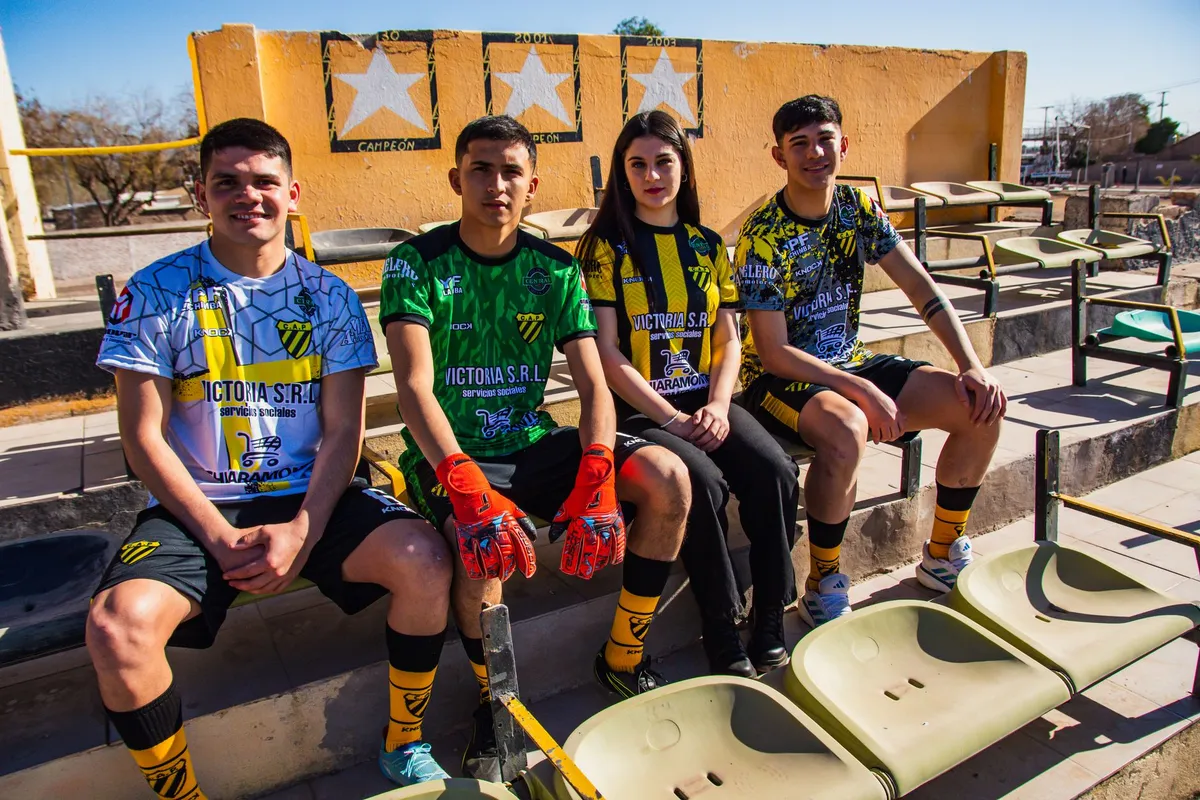
Once specs are confirmed, the design phase opens. A decorator will either work from your existing logo files or build a layout from scratch. Vector files, typically .AI or .EPS format, are required for clean output at any size. A JPEG pulled from a website will not reproduce well on fabric. If your organization only has a low-resolution image, a redraw is necessary, and that adds cost and time.
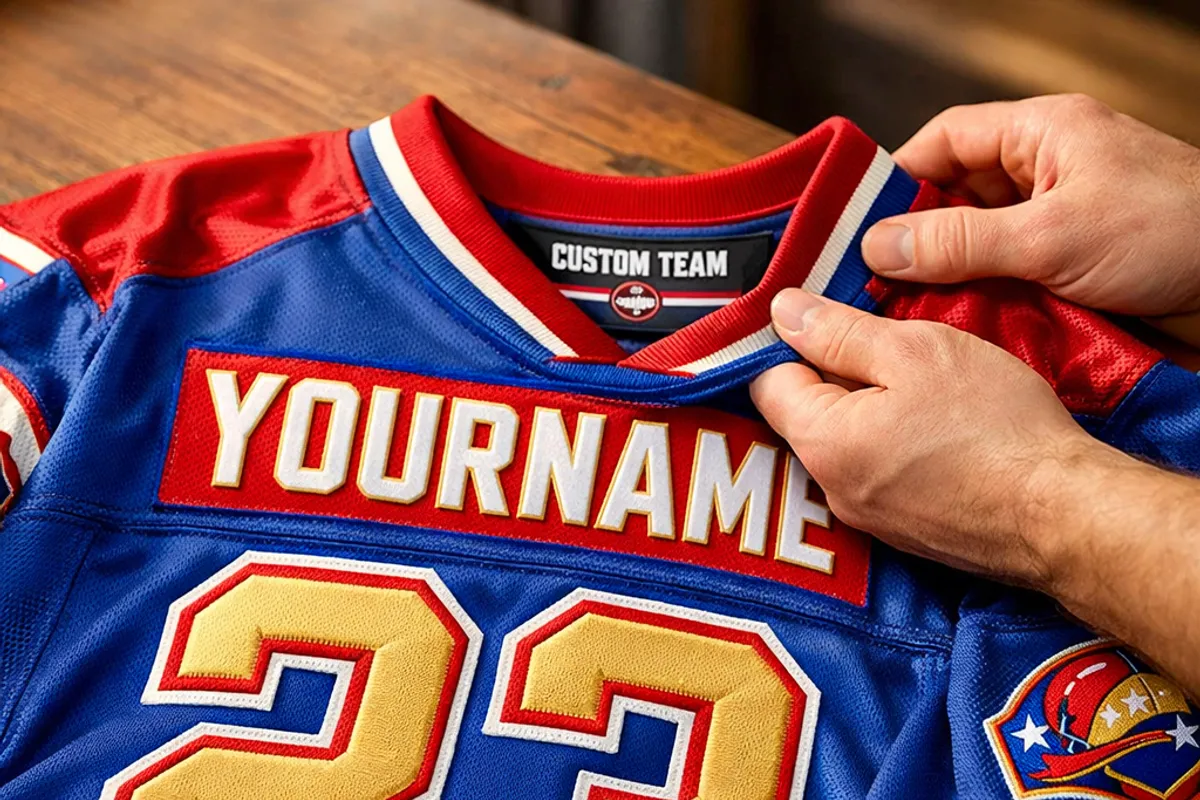
Design proofs come back as flat digital mockups showing front, back, and sometimes side panels. Review these carefully. Check number font, name spelling, color values (ask for Pantone references if your brand has specific colors), and placement measurements. Slugger Athletics flags one recurring mistake here: teams approve a proof without checking that the number font matches what the league mandates. A non-compliant font means a reorder.
Expect one to three rounds of revisions before a proof is locked. Some shops charge for revisions beyond the first round. Ask upfront. Once you sign off on the final proof, the order moves to production and changes become expensive or impossible.
For teams interested in a deeper look at how custom football uniforms are structured from a design and materials standpoint, that resource covers panel construction and pricing in useful detail.
Production: What Actually Happens to the Fabric
Sublimation printing and screen printing are the two dominant decoration methods for team garments, and they work very differently.
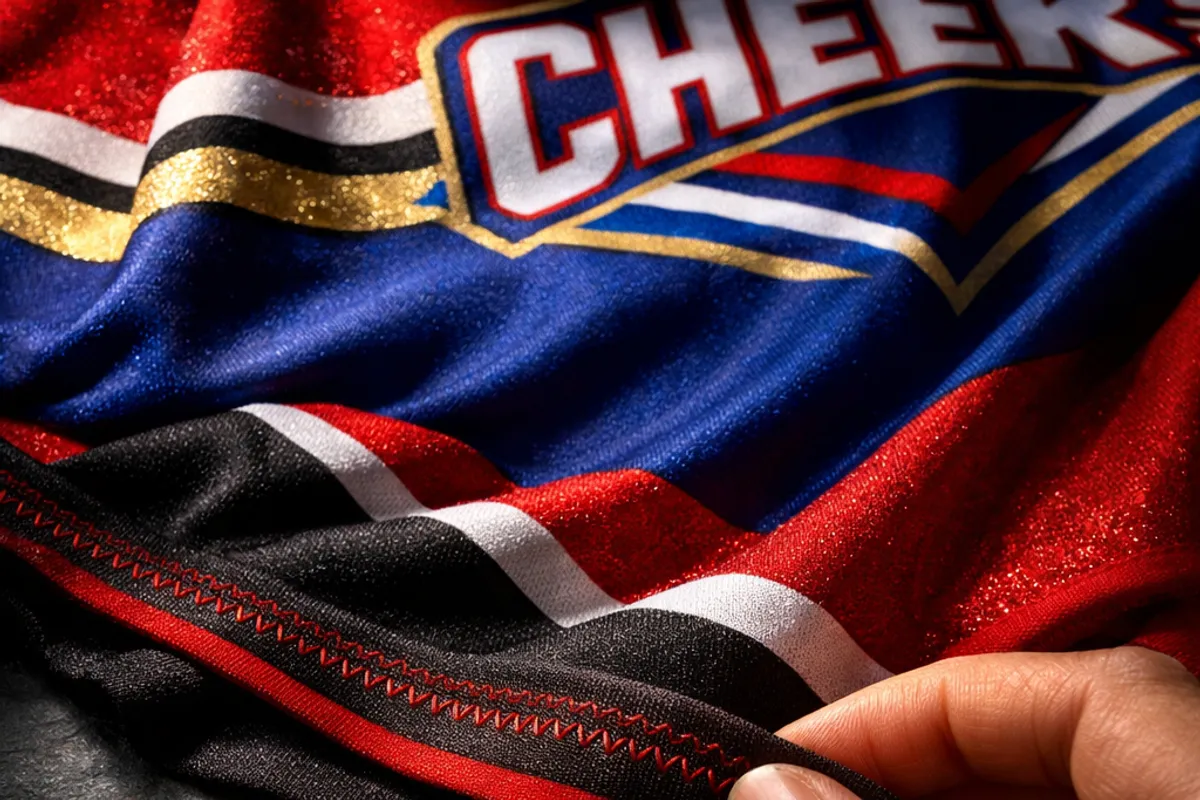
Sublimation uses heat and pressure to transfer dye directly into the polyester fibers. The color becomes part of the fabric rather than sitting on top of it. It won’t crack, peel, or fade through a normal season of washes. The limitation is that sublimation only works on white or very light base fabric, and it requires 100% polyester. You cannot sublimate onto a cotton blend.
Screen printing applies ink layers through a stencil onto a pre-cut or finished garment. It works on more fabric types and allows for printing on dark backgrounds, but the ink sits on the surface. High-quality plastisol inks hold up well, but the finish is thicker and less breathable than sublimation.
After printing, garments go through cutting and sewing if they were printed as flat panels, or through a finishing inspection if they were decorated as completed blanks. Sublimated jerseys are typically printed as flat dye panels, then cut and sewn to shape. That process adds production time but allows full-coverage design without seam interruptions.
Standard production runs for team orders range from 10 to 14 business days after proof approval. Rush production is available from most suppliers but carries a surcharge, often 15 to 25 percent of the order total. Plan for standard lead time whenever possible.
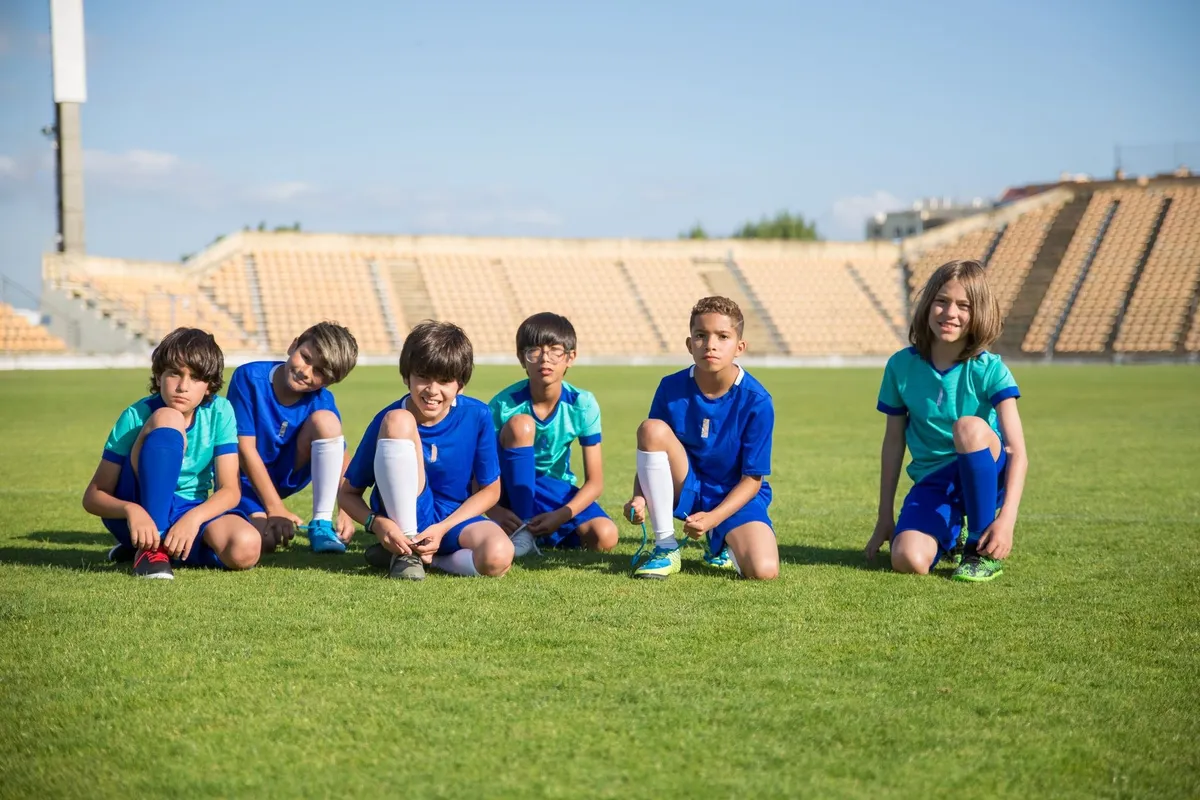
Teams ordering youth football uniforms should note that sizing over pads changes fit requirements significantly, and that detail belongs in the spec sheet before production starts.
Quality Check, Packaging, and Delivery
Before garments ship, a quality check should confirm that every number and name matches the submitted roster, colors match the approved proof within acceptable tolerance, and there are no printing defects like ink voids or dye bleed. Reputable shops pull and inspect a percentage of every run. Ask what the inspection process looks like before you order.
Garments are typically bagged individually by player, labeled with name and number, and packed by size group for easy distribution. Some teams request bulk packing instead. Either way, confirm the packaging preference before the order ships so your equipment manager isn’t sorting through 60 loose jerseys at 6 a.m.
Shipping timelines vary by carrier and distance. A standard ground shipment can add three to five business days on top of production time. Factor that into your schedule. If a game or the first day of camp is the hard deadline, count backward from that date and add a buffer of at least three days for any unexpected delay.
Slugger Athletics serves teams throughout Ocala, FL and the surrounding area as a full-service custom team uniforms resource, handling everything from initial design through delivery. The shop is located at 603 E. Fort King St, Ocala, FL 34471, and can be reached at (352) 644-7927.
Frequently Asked Questions
What information do I need to provide before placing an order for custom uniforms?
You need to provide your roster count, size breakdown, player numbers, names, and any league-specific requirements. This information is crucial as it affects pricing and ensures compliance with league rules.
How does the design approval process work for custom uniforms?
After confirming the specifications, a decorator will create design proofs based on your logo files. You’ll review these proofs for accuracy, and expect one to three rounds of revisions before final approval, as changes after this point can become costly.
What are the different printing methods used for custom uniforms, and how do they differ?
The two main methods are sublimation and screen printing. Sublimation embeds dye into the fabric, making it durable but only suitable for white or light fabrics, while screen printing applies ink on the surface, allowing for more fabric types but potentially less durability.
What should I expect during the quality check and delivery process?
Before shipping, a quality check ensures all names and numbers match your roster, colors are accurate, and there are no defects. Garments are typically bagged by player and packed by size, so confirm your packaging preference to avoid sorting issues upon delivery.
Get Directions to Slugger Athletics
🎧 Listen to this as a podcast
Also on Apple Podcasts, Spotify, and Amazon Music.