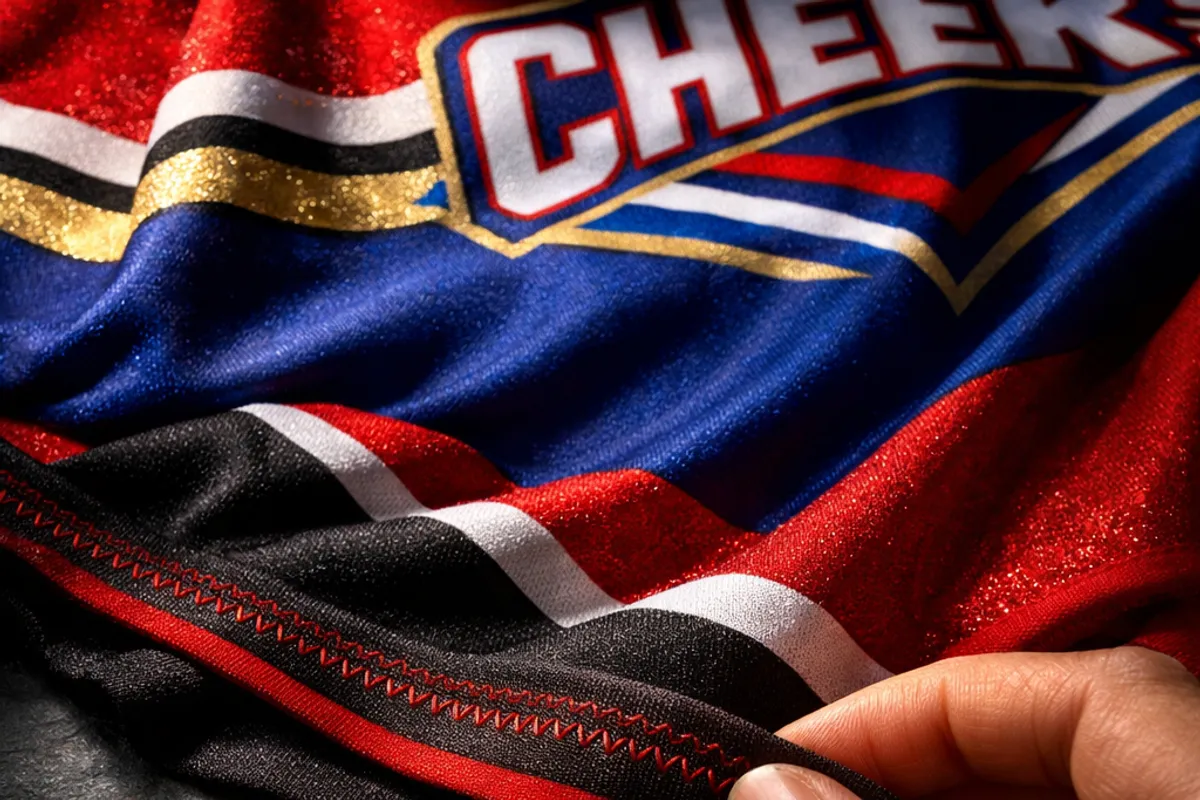
Stitch count is the number coaches and team managers almost never ask about, yet it drives the price of decorated uniforms more than nearly anything else. Every letter, number, and logo sewn onto a garment gets priced by how many needle penetrations it takes to complete. A simple block letter might run 1,500 stitches. A detailed mascot with shading, outlines, and fine detail can exceed 15,000. That gap in complexity translates directly into machine time, and machine time costs money. Understanding that relationship, before you approve a design, is the fastest way to avoid sticker shock when the quote arrives.
How Design Complexity Shapes What You Pay
The digitizing process converts artwork into a stitch file a machine can read. A clean, geometric design digitizes in an hour or two. A realistic animal mascot with gradient shading can take four to six hours of skilled digitizing work, and that labor gets baked into your setup fee. Most shops charge a one-time digitizing fee per design, ranging from $20 to $100 or more depending on complexity. That fee is fixed, so it hurts most on small orders and becomes almost invisible spread across 50 uniforms.
Color count matters too, though less than stitch count. Each color change requires a thread trim and a new color load on the machine. Simpler two-color designs run faster. A six-color logo with tight registration between colors slows production and increases the chance of misalignment, which means more quality checks and occasionally more waste. Slugger Athletics advises teams to simplify logos specifically for this reason: a cleaner design often looks sharper on a jersey than an overworked version of the same artwork, and it costs less to produce.
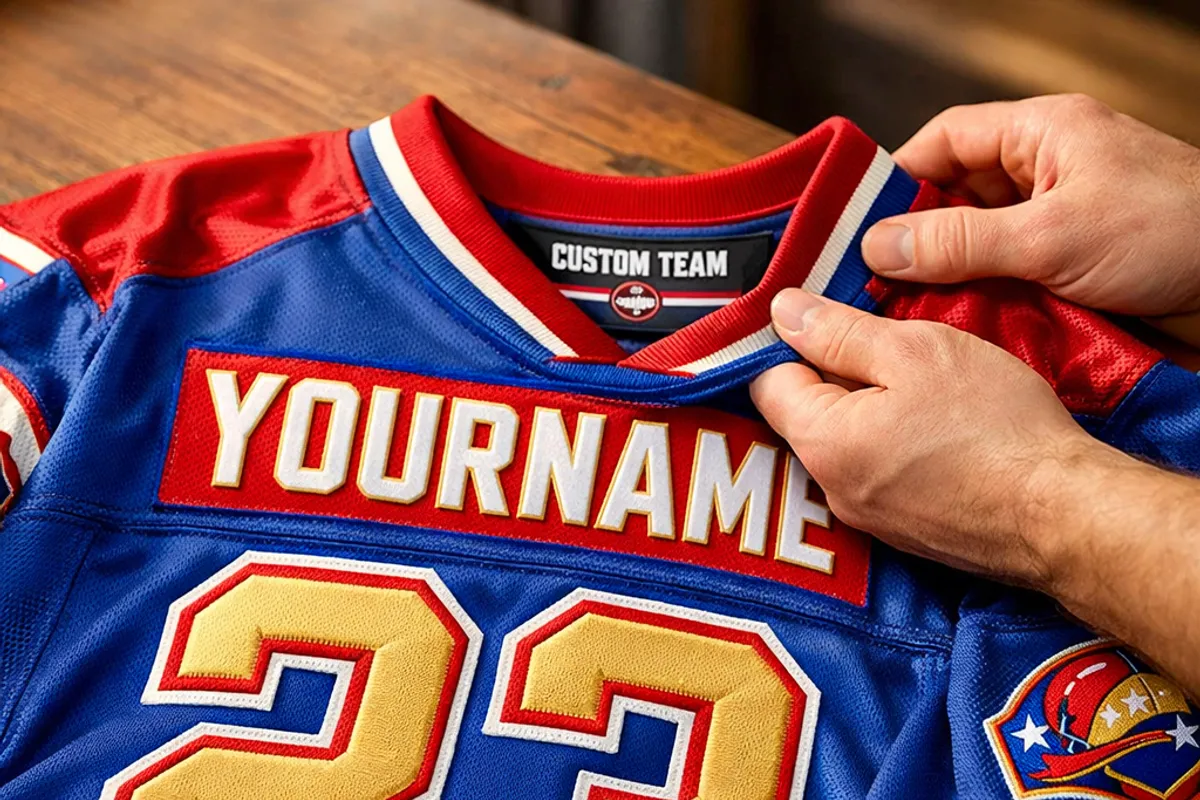
Placement also affects price. A left-chest logo is a single hoop setup. Add a name on the back, numbers on the sleeves, and a secondary logo on the collar, and you have four separate setups per garment. Each one adds time. For a roster of 25 players, those setups multiply fast.
Garment Choice and Fabric Type
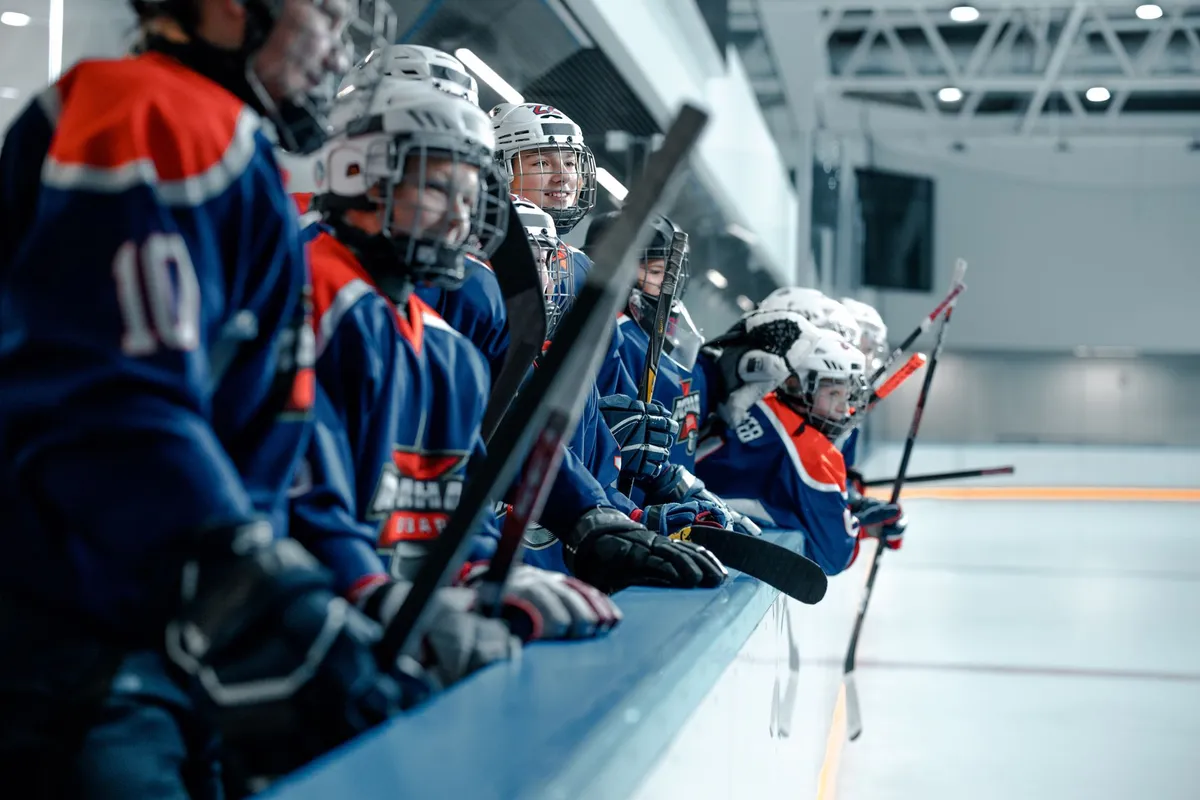
The blank garment underneath the decoration is often where teams overspend or, just as commonly, underspend in ways they regret. A 100% polyester moisture-wicking jersey runs lighter and holds up through repeated washing better than a cotton-poly blend for active use. It also costs more per unit. The difference between a $6 blank and a $14 blank is real, and on a 30-piece order it adds up to $240 before a single stitch is placed.
Fabric weight and weave affect how decoration sits on the surface. Tightly woven performance fabrics hold stitching cleanly. Loose knits can cause designs to sink or pucker, which sometimes requires a stabilizer backing that adds a small material cost per piece. Cut-and-sew custom construction, where the garment is built from scratch to your specs, costs significantly more than decorating a stock blank. For most recreational and school teams, decorated stock blanks hit the right balance. For elite or high-visibility programs, cut-and-sew may be worth the investment.
Sublimation is a different process entirely. Rather than stitching, dye is pressed into the fabric under heat, making the design part of the garment rather than sitting on top of it. Sublimated uniforms carry no stitch count cost, but they require full minimum orders of custom-cut garments and have their own pricing structure. Teams exploring sublimated custom football jerseys will find that pricing works differently than traditional decorated uniforms, and comparing the two side by side is worth doing before committing.
Order Size and Its Real Effect on Unit Cost
Quantity breaks are real, and the math is not subtle. A digitizing setup fee of $60 spread across 10 jerseys adds $6 per unit. Spread across 60 jerseys, it adds $1. The machine still runs the same program either way. This is why teams that order together, combining varsity and JV rosters into a single run, consistently get better per-unit pricing than teams that place two small separate orders weeks apart.
Rush fees are the other side of this equation. Standard production timelines for decorated uniforms typically run two to four weeks from art approval. Compressing that to one week or less usually triggers a surcharge, sometimes 15 to 30 percent of the order total. Slugger Athletics sees this pattern constantly: a team waits too long, needs uniforms in ten days, and pays significantly more than they would have with three extra weeks of lead time. Planning the order before the season registration closes is the straightforward fix.
For sport-specific sizing and construction questions that affect how orders get structured, resources like the guide on youth football uniforms, sizing over pads, and league rules lay out the practical details teams need before finalizing quantities.
Turnaround, Finishing, and Hidden Line Items
A few costs appear late in the quoting process and catch buyers off guard. Individual name and number changes on a roster order add time per piece, even if the decoration method is the same. Packaging requirements, like individually bagged and tagged garments for retail or league distribution, add labor. Shipping weight on a full team order is not trivial. A box of 30 heavy jerseys ships at a different rate than a box of 30 lightweight ones, and that difference shows up on the invoice.
Minimum order requirements vary by vendor and decoration method. Some shops have no minimums for stitched decoration on stock blanks. Others require a minimum of 12 or 24 pieces to justify setup. Knowing those thresholds before you finalize your roster count can prevent the awkward situation of needing to add dummy sizes to hit a minimum.
Slugger Athletics, located at 603 E. Fort King St, Ocala, FL 34471, works with teams across a range of sports and budgets and is a reliable starting point for anyone sorting through these decisions. Reach them at (352) 644-7927 for direct answers on pricing, minimums, and timelines.
Frequently Asked Questions
How does stitch count impact the cost of my team’s uniforms?
Stitch count directly affects the price because each letter, number, and logo is priced based on the number of needle penetrations required. A simple design might only require 1,500 stitches, while a detailed mascot could exceed 15,000 stitches, significantly increasing machine time and costs. Understanding this relationship helps avoid surprises in your final quote.
What should I consider when choosing a design for my uniforms?
When selecting a design, consider its complexity, as simpler designs digitize faster and cost less. A clean geometric design might take an hour or two to digitize, while a complex mascot could take four to six hours, affecting your setup fee. Simplifying logos can also enhance their appearance on the jersey and reduce production costs.
How does the choice of fabric affect the overall cost of uniforms?
The choice of fabric can significantly impact costs; for example, a 100% polyester moisture-wicking jersey is more expensive but offers better durability compared to a cotton-poly blend. Additionally, fabric weight and weave affect how the decoration sits on the garment, potentially requiring stabilizers that add costs. Choosing the right fabric balances performance and budget.
What are common mistakes teams make when ordering uniforms?
A common mistake is placing small orders, which can lead to higher per-unit costs due to setup fees being spread over fewer pieces. Additionally, waiting until the last minute to order can trigger rush fees, increasing the total cost by 15 to 30 percent. Planning your order well in advance and consolidating sizes can help manage expenses effectively.
Get Directions to Slugger Athletics
🎧 Listen to this as a podcast
Also on Apple Podcasts, Spotify, and Amazon Music.